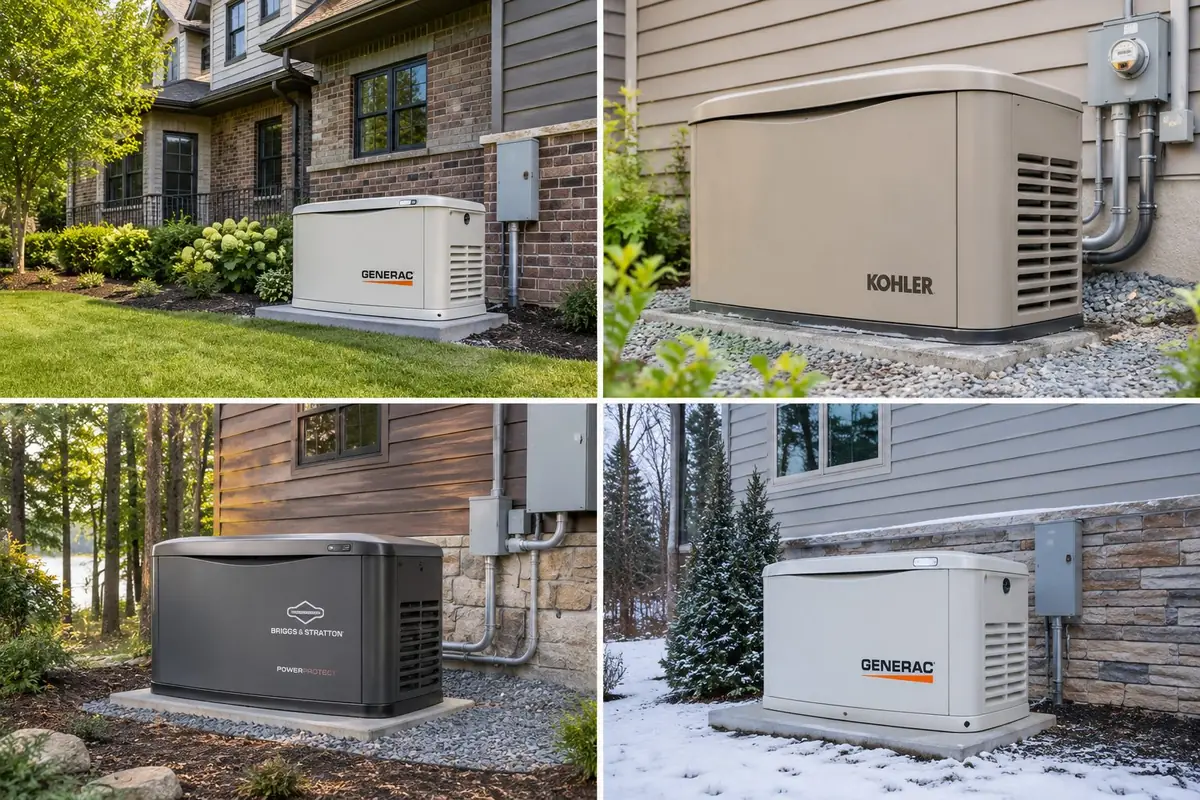
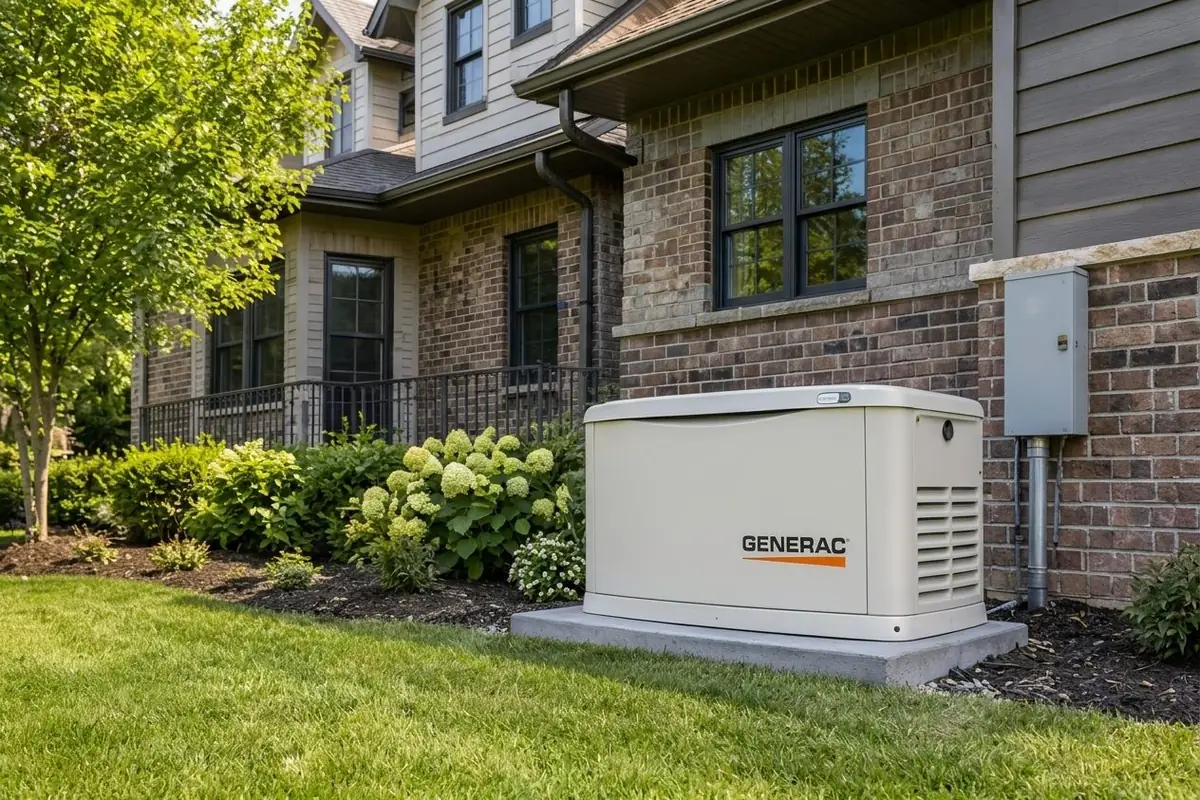
Generac Residential Generator Systems
Explore a Generac backup power system for your home. Get a Free Estimate
Generac generators are an option for homeowners considering permanent standby backup power. Choosing the right equipment involves more than selecting a model. Generator output, household electrical demand, transfer equipment, fuel type and available installation space all affect the suitability of a system.
We connect your request with an independent local contractor who can discuss Generac equipment and the requirements of your property. The contractor handles the assessment, provides the estimate and completes the agreed installation.
Many homeowners around Orillia ask for Generac by name because it is a widely sold home standby brand. You can review current models and their specifications on the Generac website before your consultation. Having one or two models in mind makes the first conversation with the contractor faster and more specific.
Size comes first. Generac lists its home standby units by rated output, and the right size depends on which circuits you want covered. A unit that runs only essential circuits can be much smaller than one meant to run the whole house, including central air or electric heat.
Next is the connection. A Generac standby unit is normally paired with an automatic transfer switch, and in Ontario that electrical work is notified to the Electrical Safety Authority. The gas or propane line is installed by a certified gas technician under TSSA rules. Ask the contractor who on their team holds each licence.
Then think about service after the installation. A standby generator needs periodic maintenance, and some owners prefer a contractor who can also handle warranty registration and the first service visit. Ask what is included in the estimate and what is billed separately, so there are no surprises later.
Finally, check the site. The unit needs a level base, clearance from openings and room for a technician to work on it. Photos of the side yard and the electrical panel help the contractor plan before the first visit.
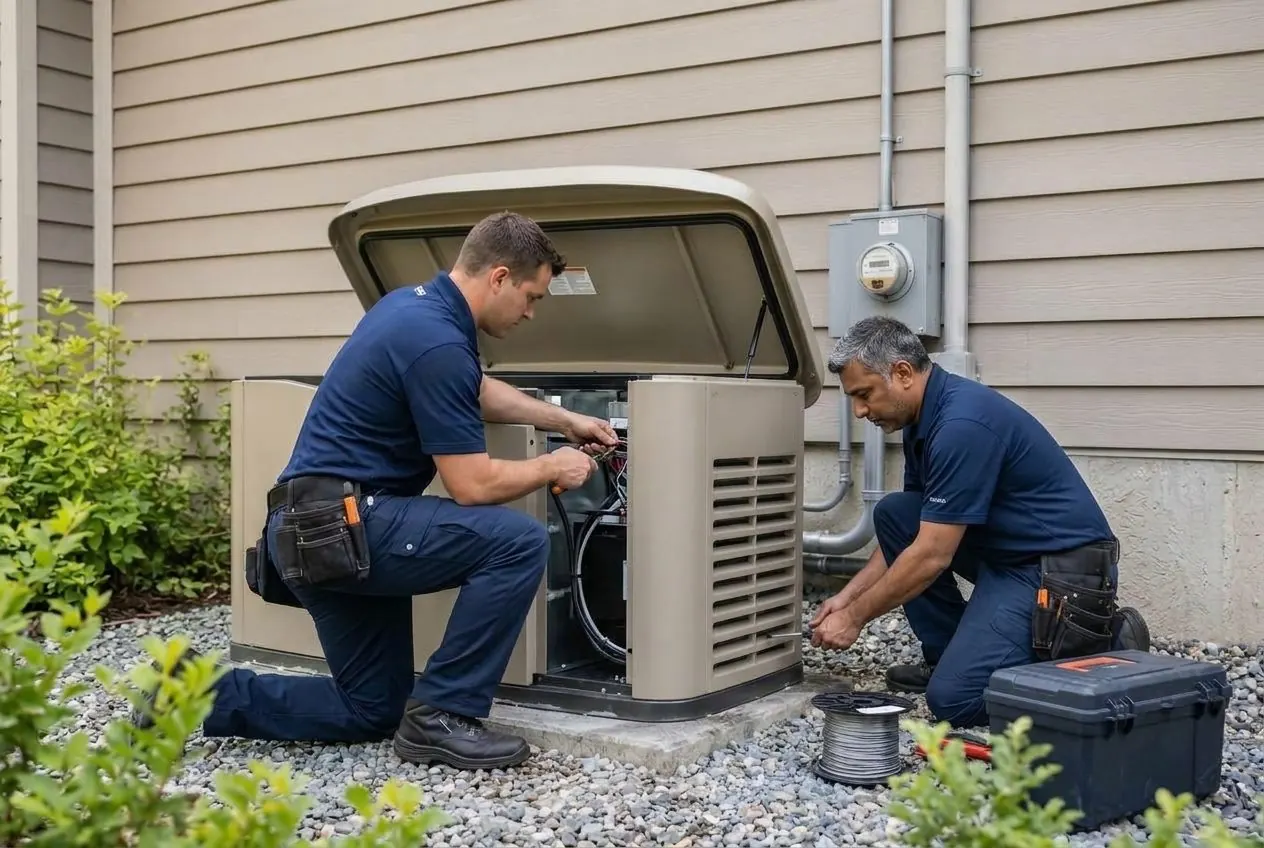
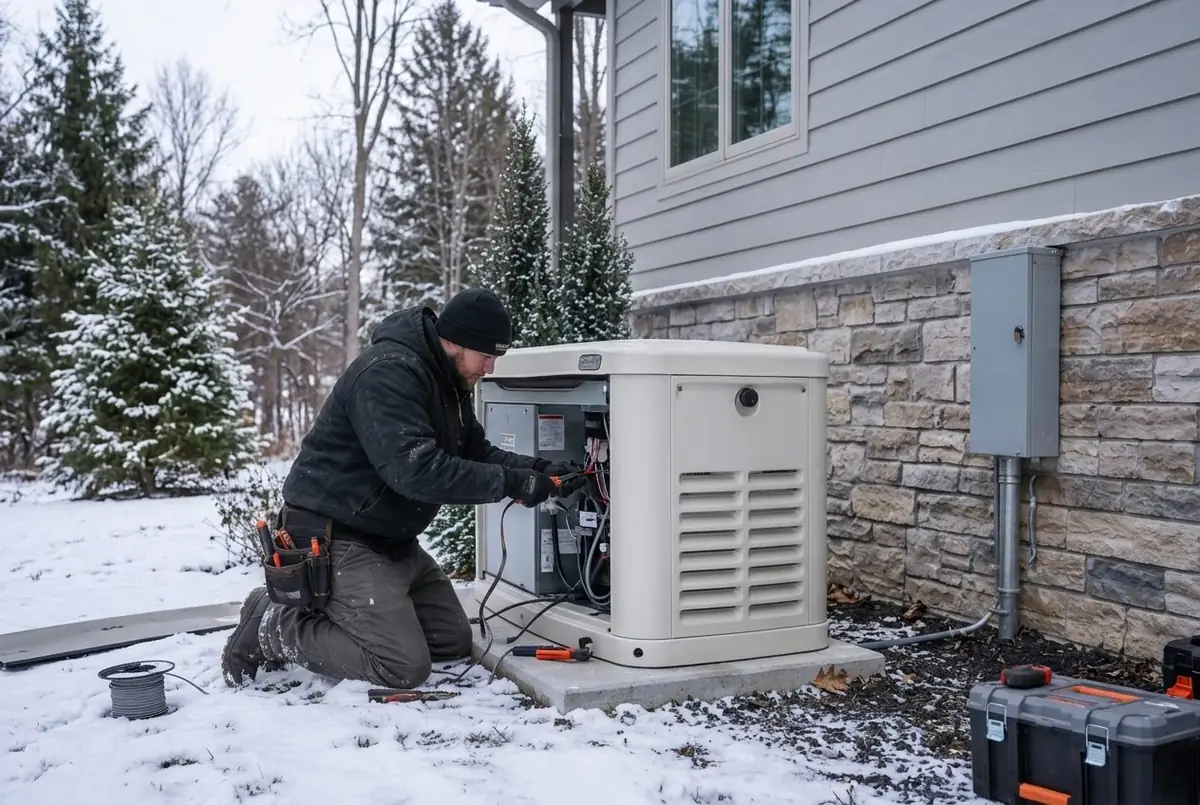
A properly planned installation considers the generator, electrical connections and fuel arrangements as one coordinated system.
The contractor can compare compatible equipment based on rated output, household requirements and the intended level of backup coverage.
The transfer arrangement determines how backup electricity reaches the intended household circuits and prevents unsafe connections between power sources.
The selected generator must be configured for an appropriate fuel supply, with available natural gas or propane capacity considered.
The completed installation should be checked for proper operation, including generator starting and transfer equipment functionality.
You can identify Generac as your preferred brand when submitting your project information.
The contractor can evaluate the electrical service, fuel supply and placement conditions before preparing a proposal.
The independent contractor is responsible for the agreed equipment installation and related work.

Tell us which Generac equipment you are considering and what your home needs during an outage.
Free — no obligations
Not sure what you need? Take the 1-minute quiz
Tell us whether you are considering a particular Generac model or need help identifying suitable capacity.
We pass your information to an independent contractor for direct follow-up.
The contractor discusses equipment, electrical requirements, fuel and placement before preparing an estimate.
The contractor carries out the agreed work and checks the system in accordance with applicable requirements.

Generac home standby installations fall within the same ranges as other standby systems. The model size, the transfer switch and how far the fuel and wiring need to run matter more than the brand.
| Item | Typical range |
|---|---|
| Generac standby for essential circuits, installed | $8,000 to $15,000 |
| Generac standby for a typical whole home, installed | $14,000 to $22,000 |
| Larger units or complex installations | $25,000 and up |
| Annual maintenance after installation | $200 to $450 per year |
| ESA permit and inspection | $100 to $600, depending on the job |
Ask whether the estimate includes the transfer switch, the concrete or composite pad, the gas or propane connection, the ESA notification and the first start-up and test. Those items are where two estimates for the same model most often differ.
These are typical installed ranges in Canadian dollars, before HST, drawn from price guides published by Ontario installers in 2025 and 2026. They are a planning guide, not a quote. The independent contractor sets the actual price after looking at your home. Ranges last reviewed November 2026.
Start with the appliances and systems you want to operate during an outage. The contractor can calculate the required capacity and discuss compatible Generac equipment.
Certain Generac standby models support propane operation. The specific model and fuel configuration must be checked before planning the installation.
Some models offer monitoring features, depending on their specifications and configuration. Ask the contractor which monitoring functions are available with the equipment being considered.
It helps to know your electrical panel location, fuel type and essential household loads. Photographs of the electrical panel and possible outdoor installation area may also help the contractor understand the project.