Natural Gas Standby Generator Systems
Find out whether natural gas backup power suits your home. Get a Free Estimate
For a property with an appropriate natural gas connection, a natural gas standby generator may offer a convenient way to maintain backup electricity. The generator can be connected to a suitable fuel supply and integrated with transfer equipment to provide power when utility electricity is interrupted.
The existing gas connection should never be assumed to have sufficient capacity for a generator. The fuel supply, piping, regulator, electrical requirements and proposed installation location all need review. We pass your request to an independent local contractor who contacts you to discuss the installation and provide an estimate.
Natural gas lets a standby generator run without refuelling, which suits long winter outages. In much of the Orillia area the gas distributor is Enbridge Gas. Before the installation, the contractor will look at whether the existing meter and gas line can carry the generator on top of the furnace, water heater and other appliances.
If the meter is too small, the utility may need to upgrade it, and that can add time to the project. Ask the contractor to check this early so the schedule is realistic. Pipe size over the distance from the meter to the generator matters for the same reason.
Gas piping is installed by certified gas technicians under rules from the Technical Standards and Safety Authority (TSSA). The electrical connection and transfer switch are notified to the Electrical Safety Authority. Both parts need to be finished and checked before the system goes into regular use.
Placement still matters with natural gas. The unit needs clearance from windows, doors and vents, and it should sit where exhaust will not drift into the house. The contractor can suggest a spot that keeps the gas run short and meets those clearances.
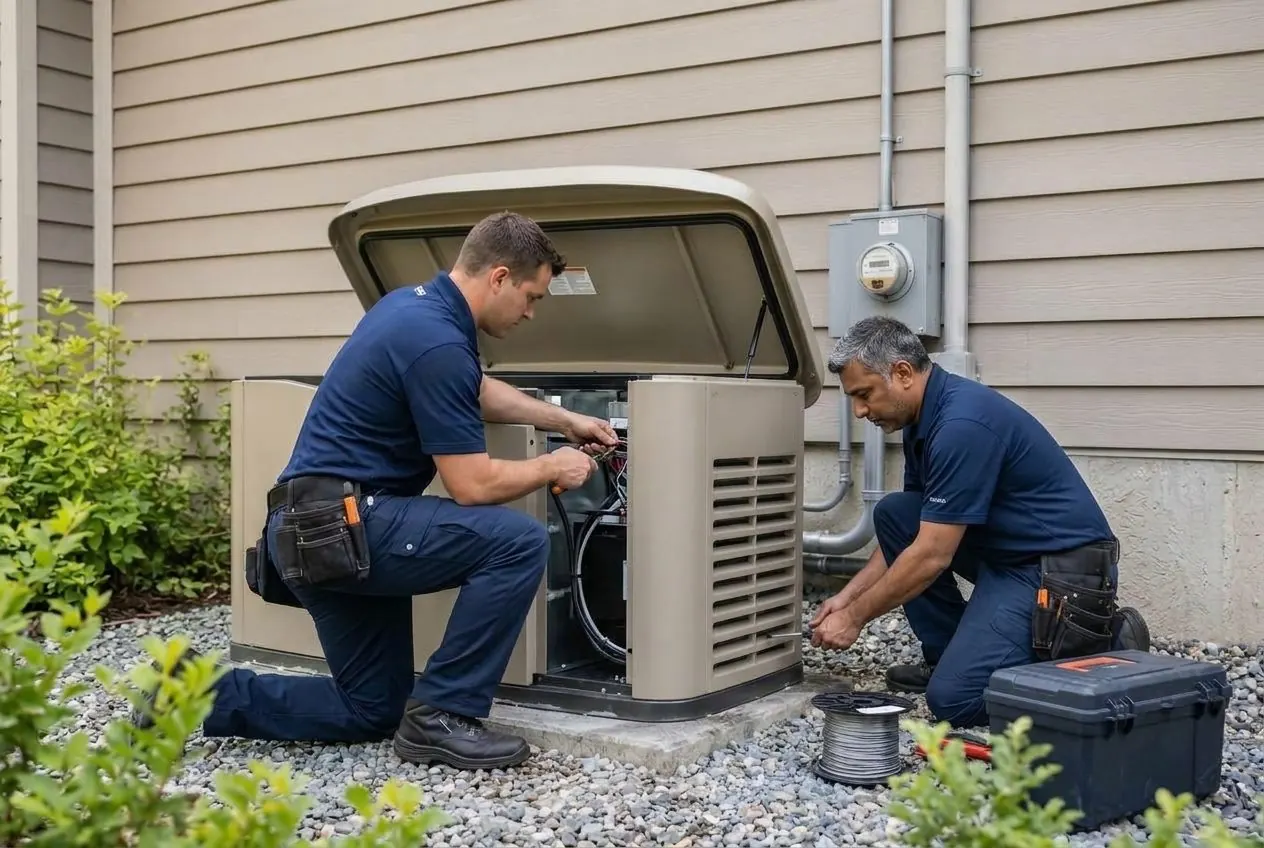
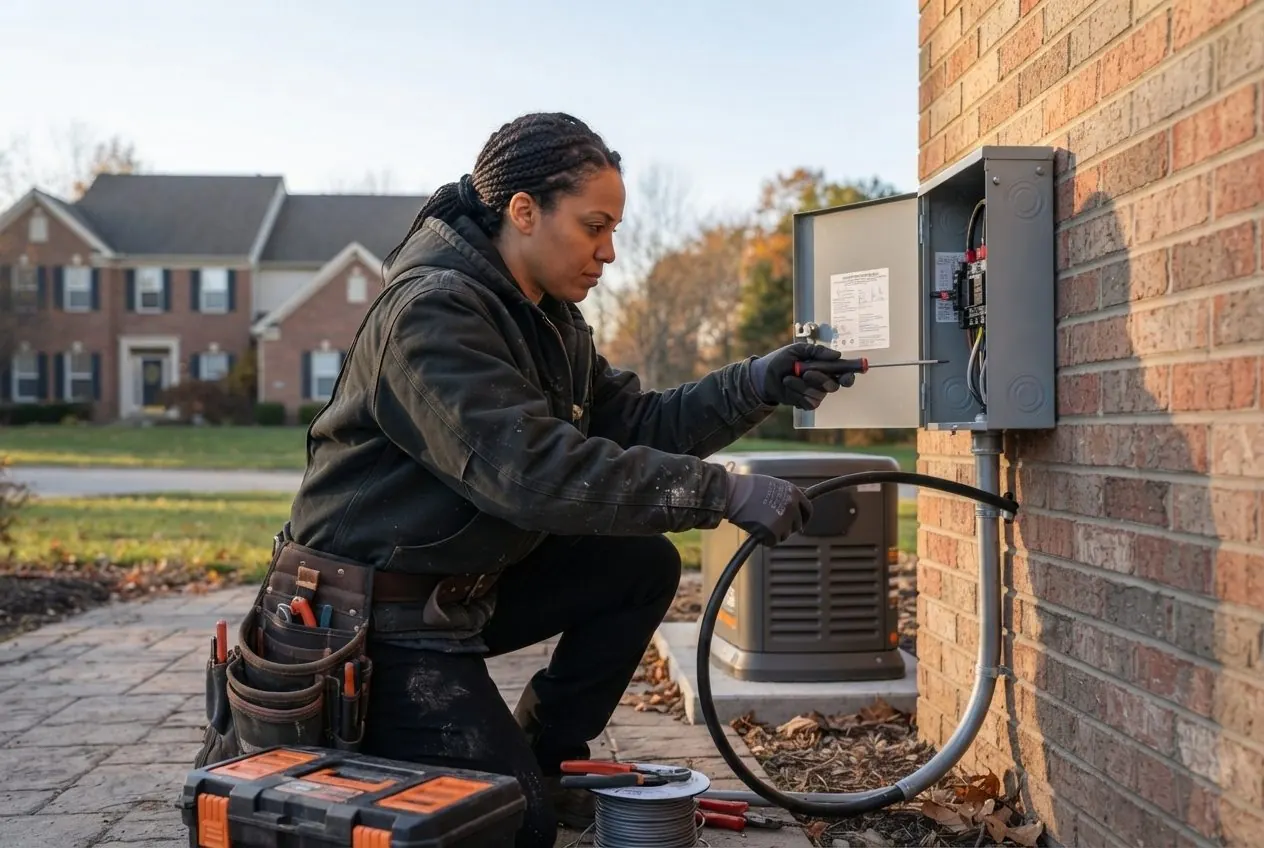
A natural gas installation must be planned around both the property's fuel infrastructure and its electrical needs.
The available supply must be evaluated against the generator's fuel consumption and the demands of other connected appliances.
The proposed system needs suitable fuel piping and regulation designed for the equipment and applicable installation requirements.
Generator capacity and transfer equipment determine how backup electricity is distributed to the home.
The contractor considers ventilation, clearances, drainage, access and the relationship between the generator and the fuel connection.
Your request can identify the existing gas connection and the type of backup power you are considering.
The contractor can assess both sides of the installation before recommending a suitable arrangement.
The contractor contacts you to discuss the property, estimate and proposed installation.

Tell us about your existing natural gas service and the generator coverage you want.
Free — no obligations
Not sure what you need? Take the 1-minute quiz
Let us know whether natural gas is already available and what household systems you want to protect.
We pass your project information to an independent contractor.
The contractor reviews the proposed generator, gas supply, electrical service and equipment location.
The contractor performs the installation and verifies the completed system in accordance with applicable requirements.

With natural gas there is no tank to buy, but the gas line from the meter to the generator adds to the price. The length of that run and whether the meter has enough capacity are the two things to check early.
| Item | Typical range |
|---|---|
| Standby generator for essential circuits, installed | $8,000 to $15,000 |
| Standby generator for a typical whole home, installed | $14,000 to $22,000 |
| Gas line from the meter, about 30 to 50 feet | $1,200 to $2,200 |
| Runs longer than about 60 feet | Add about $500 to $1,000 |
| ESA permit and inspection | $100 to $600, depending on the job |
If the utility needs to upgrade the gas meter, there may be an extra cost and some added time. The contractor can tell you whether that is likely once they see the meter and the appliances already connected to it.
These are typical installed ranges in Canadian dollars, before HST, drawn from price guides published by Ontario installers in 2025 and 2026. They are a planning guide, not a quote. The independent contractor sets the actual price after looking at your home. Ranges last reviewed November 2026.
Possibly, but the existing supply must be checked for adequate capacity and pressure under the combined demand of connected appliances and the generator.
A natural gas generator depends on an available fuel supply. Its operation cannot be assumed if the natural gas service itself is interrupted.
The required arrangement depends on the existing piping, capacity and equipment specifications. The contractor can determine whether modifications or dedicated piping are needed.
Potentially, provided the gas supply and piping are designed to support the combined demand. The contractor should assess the generator alongside the home's other gas appliances.